
What truly matters most in life? At the center of everything stands the individual, yet in the rush of everyday responsibilities, we often neglect our own needs. Self-care may sound simple, but it is far more complex and essential than it first appears. As life becomes increasingly busy, the intention to care for ourselves is frequently pushed aside or forgotten altogether.
Self-care involves actively nurturing our mental, emotional, and physical health. It extends far beyond occasional relaxation, such as taking a bath or going for a short walk, and instead requires the conscious development of habits that sustain overall well-being. As Katrina Mayer suggests, loving yourself is not an act of vanity but a necessity for a balanced life. In a world filled with constant demands and stress, self-care becomes essential for maintaining stability and preventing emotional and physical exhaustion.
At its core lies self-love—the recognition of one’s own value and the willingness to meet personal needs without compromise. Without this foundation, self-care can feel unnecessary or even selfish. However, self-love is precisely what drives the motivation to protect both mental and physical health, making it a crucial starting point for long-term well-being.
Why Self-Care Matters

Self-care plays a significant role in shaping a healthier and more balanced life. One of its most immediate benefits is stress reduction. When individuals engage in activities that promote relaxation and calmness, they help regulate stress levels and manage cortisol, the hormone responsible for tension. Over time, this can lower the risk of serious health conditions such as anxiety, depression, and heart disease, all of which are often linked to prolonged stress.
In addition to reducing stress, self-care has a profound impact on mental health. Practices like mindfulness, meditation, and regular physical activity stimulate the release of endorphins, which improve mood and emotional stability. These habits help individuals feel more grounded, focused, and capable of navigating daily challenges with greater ease.

Physical health is also closely tied to self-care. Maintaining a balanced diet, ensuring adequate rest, and following healthy sleep patterns all contribute to a stronger body and a clearer mind. When the body feels supported and energized, it becomes easier to maintain emotional balance and mental clarity.
Another important aspect of self-care is its effect on self-esteem. By prioritizing personal needs, individuals reinforce the belief that they are worthy of care and attention. This internal message strengthens confidence and fosters a more positive outlook on life. At the same time, consistent self-care helps prevent burnout, a state of emotional and physical exhaustion caused by prolonged stress. Recognizing personal limits and allowing time for rest are essential steps in preserving long-term energy and well-being.
Bringing Self-Care into Everyday Life
Incorporating self-care into daily life does not require drastic changes or complicated routines. It often begins with small, intentional steps that gradually become part of everyday habits. Identifying activities that bring joy and relaxation—such as reading, walking, engaging in creative hobbies, or simply taking a moment to pause—can serve as a foundation for building a sustainable routine.
Allocating time for these activities is equally important. Even short breaks throughout the day, moments of reflection, or a few minutes of journaling can significantly improve overall well-being. What matters most is consistency rather than intensity. Over time, these small actions accumulate and create a sense of balance and stability. It is also important to remain flexible, as personal needs and sources of comfort may change over time. Adapting self-care practices ensures they remain meaningful and effective.
Overcoming Common Challenges
Despite its importance, self-care is often met with resistance. Many people struggle with feelings of guilt, believing that taking time for themselves is selfish or unproductive. In reality, self-care is a necessary part of maintaining overall health and should not be viewed as a luxury. Letting go of this misconception is a crucial step toward building a healthier relationship with oneself.
Consistency is another common challenge. Treating self-care as a non-negotiable part of daily life, rather than an occasional reward, can help establish lasting habits. Setting clear boundaries is equally important. Communicating personal limits, protecting time and energy, and being mindful of external influences all contribute to a more balanced and manageable lifestyle.

Self-Care in Times of Grief
Grief has the power to deeply disrupt emotional stability, making self-care even more essential during difficult times. The loss of a loved one can leave individuals feeling disconnected, overwhelmed, and uncertain about how to move forward. In such moments, allowing space for emotions and practicing self-compassion become vital.
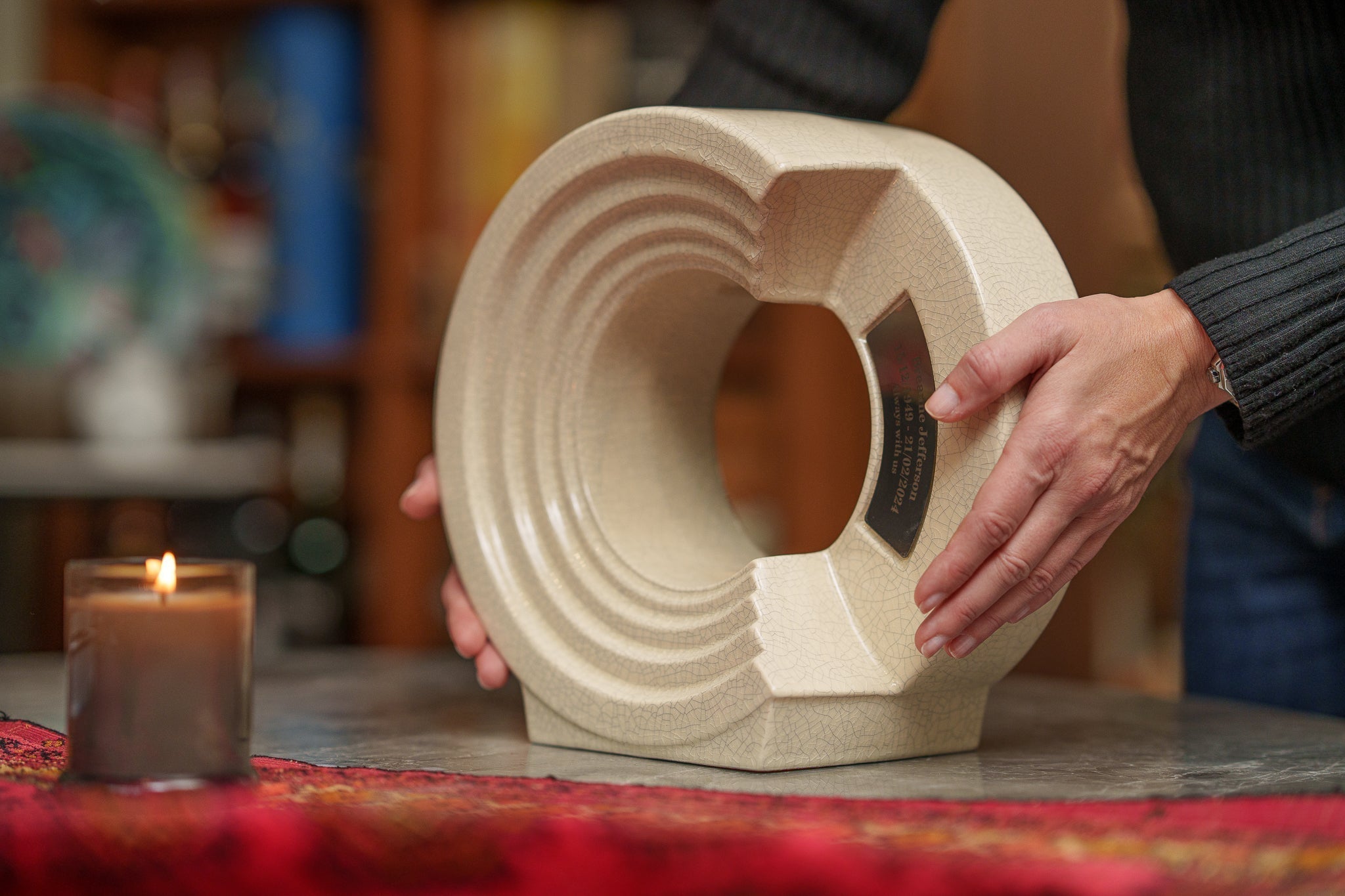
Healing often involves finding ways to process and express emotions, whether through therapy, creative outlets, or meaningful conversations with others. Some individuals also find comfort in rituals or physical objects that help preserve a sense of connection. Personalized memorial items, such as urns or keepsakes, can provide a space for reflection and remembrance, offering a quiet form of emotional support during the grieving process.
Long-Term Benefits of Self-Care

When practiced consistently, self-care leads to lasting improvements in emotional and physical well-being. It fosters greater emotional stability, allowing individuals to manage stress more effectively and maintain a clearer, more positive mindset. Over time, self-care becomes a natural part of daily life, creating sustainable habits that support long-term health.
The overall quality of life also improves significantly. Individuals who prioritize self-care are better equipped to handle challenges, pursue their goals, and maintain meaningful relationships. They approach life with greater resilience, patience, and clarity, which ultimately contributes to a deeper sense of fulfillment.
Conclusion
Self-care and self-love are not optional luxuries but essential components of a balanced and meaningful life. By prioritizing personal well-being, individuals build resilience, confidence, and emotional strength. Caring for oneself is not only beneficial on a personal level but also enhances the ability to support and connect with others. In the end, it is impossible to give fully to the world without first taking care of oneself.

Partager:
Le rôle curatif des bijoux cinéraires
Urns with Personality