
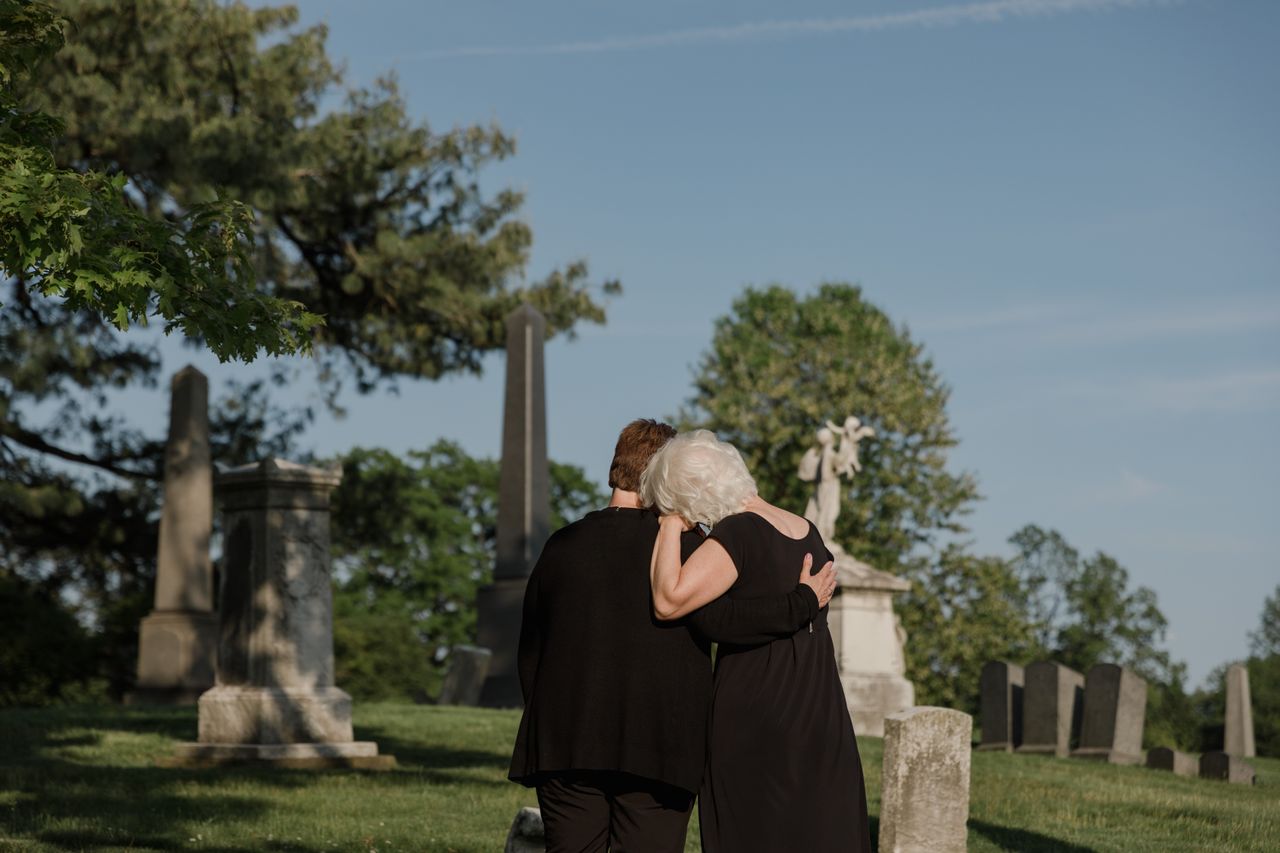
Grief is one of the most personal experiences we go through, and there is no single path that everyone follows. For generations, visiting a cemetery has been one of the most common ways to remember those who have passed away, offering a quiet place for reflection, remembrance and connection. Yet, for many people, maintaining a relationship with the memory of a loved one extends far beyond a cemetery visit. Whether because of geographical distance, physical limitations, emotional reasons, cultural traditions or simply personal preference, not everyone finds that visiting a grave is the most meaningful way to honour someone they have lost.
The truth is that remembrance is not defined by a location. The love we have for someone does not disappear because we cannot visit a particular place. Instead, it lives on in our memories, our traditions, the values we carry forward and the ways we continue to celebrate the life they lived.
In recent years, more people have begun embracing personalised and meaningful ways to remember loved ones. Rather than focusing solely on one physical place, they create lasting tributes that become part of their everyday lives. From living memorials and family traditions to artistic keepsakes and charitable acts, there are countless ways to celebrate a person's life while keeping their memory close.
Here are some thoughtful and lasting ways to honour a loved one without visiting a cemetery.

Create a Personal Memorial Space at Home
One of the most comforting ways to remember someone is by creating a dedicated memorial space within your home. This doesn't need to be elaborate or occupy an entire room. A small shelf, table or quiet corner can become a place filled with meaningful reminders of the person you love.
Many families include a favourite photograph, fresh flowers, candles, treasured books, handwritten letters or personal belongings that capture the person's personality. Others display meaningful artwork, framed family photographs or objects collected during shared travels and experiences.
Having a personal memorial at home offers something that a cemetery cannot always provide: accessibility. Instead of waiting for a particular day to remember someone, you can pause whenever you need a moment of reflection. Whether it's while enjoying your morning coffee, celebrating a family milestone or simply missing them on an ordinary afternoon, that space becomes a gentle reminder that love continues long after loss.
Unlike formal memorials, home remembrance spaces can also evolve over time. New photographs can be added, seasonal flowers can be changed and personal mementoes can continue to tell the story of a life well lived.

Plant a Tree, Garden or Living Memorial
Nature has long been associated with remembrance, renewal and continuity. Planting a tree in honour of someone creates a living tribute that grows stronger year after year, symbolising both the enduring impact of their life and the continuation of their legacy.
Many people choose trees because they represent strength, resilience and longevity. Others prefer flowering plants, rose gardens or native plants that bloom during a meaningful time of year, such as a loved one's birthday or anniversary.
A memorial garden can become a peaceful sanctuary where family members gather, read, reflect or simply enjoy the beauty of nature. Every season brings change, reminding us that while life continues to evolve, memories remain deeply rooted.
Some families even dedicate a bench, bird feeder or decorative stone within the garden, creating a space that feels both personal and comforting.
Continue the Traditions They Loved
Perhaps one of the most powerful ways to honour someone is by continuing the traditions that were important to them.
Did they always prepare a special meal during the holidays? Did they love hosting Sunday lunches, taking annual family trips or baking with grandchildren? These seemingly ordinary routines often become extraordinary memories after someone is gone.
By continuing these traditions, we ensure that the person's influence remains part of family life.
Children and future generations may never have had the opportunity to know that person personally, but through stories, recipes, celebrations and family customs, they can still understand who they were and why they mattered.
Traditions become living memorials. They transform remembrance from something rooted in sadness into something filled with gratitude and love.

Create a Memory Book or Family Archive
Our memories naturally change over time, making it even more valuable to preserve them while they remain vivid.
Creating a memory book allows friends and family members to collect photographs, letters, personal stories, favourite sayings and important milestones into one meaningful keepsake.
Some families invite relatives to contribute their own memories, creating a collection of different perspectives that captures the full richness of someone's life.
Others create digital family archives including scanned photographs, home videos, voice recordings and written stories.
Today's technology makes it possible to preserve family history in ways previous generations could only imagine. A digital archive ensures that memories remain accessible for children, grandchildren and future generations, allowing one person's legacy to continue inspiring others.
Celebrate Their Birthday Instead of Mourning Their Death
While anniversaries of loss can be emotionally difficult, many families also choose to focus on celebrating the person's life by marking their birthday instead.
Rather than concentrating solely on the date they passed away, a birthday celebration shifts attention towards the joy they brought into the world.
Families may gather for dinner, prepare favourite meals, watch favourite films, share photographs, listen to meaningful music or simply spend time telling stories about the person.
These celebrations remind everyone that although someone may no longer be physically present, the happiness they created continues to live within those who loved them.
Wear or Preserve Something Meaningful
Objects connected to loved ones often carry emotional significance far beyond their monetary value.
A favourite scarf, watch, piece of jewellery, handwritten recipe or even an old book can become a source of comfort.
Many people choose to preserve these belongings in creative ways. Clothing can be transformed into memory quilts. Handwritten letters can be framed. Jewellery can become family heirlooms passed from one generation to the next.
These everyday objects quietly remind us of the people behind them, helping us feel connected through ordinary moments.

Create Art Inspired by Their Memory
Art has always been one of humanity's most powerful ways of expressing love, grief and remembrance.
You don't need to be a professional artist to create something meaningful. Painting, writing poetry, composing music, photography, woodworking, pottery or even creating a scrapbook can all become deeply personal tributes.
Creative expression often allows emotions to be communicated in ways words cannot.
Some people create artwork inspired by shared memories. Others commission portraits or personalised illustrations celebrating important moments from a loved one's life.
Every artistic tribute becomes both a memorial and a celebration.
Keep Their Memory Close with Memorial Keepsakes
For many families, having a physical keepsake provides comfort during the grieving process. Memorial jewellery, personalised ornaments, engraved objects and handcrafted remembrance pieces allow loved ones to feel emotionally connected wherever they are.
One increasingly meaningful option is choosing an artistic memorial that celebrates a person's life in a unique and beautiful way. Pulvis Art Urns are designed with this philosophy in mind, transforming remembrance into an expression of art rather than simply a functional object.
Unlike traditional urns that are often intended to remain hidden or stored away, Pulvis Art Urns are handcrafted as elegant sculptural pieces that blend naturally into the home. Their contemporary artistic designs allow families to honour a loved one's memory in a way that reflects beauty, dignity and individuality.
For those who choose cremation, an art urn can become part of a personal memorial space rather than something separated from everyday life. It allows remembrance to become integrated into the home, offering a quiet presence that celebrates a person's legacy while respecting modern approaches to memorialisation.
This reflects a broader shift in how many people think about remembrance today. Increasingly, families are looking for memorials that focus not only on loss, but also on love, beauty and celebrating a life well lived.

Visit Places Filled with Happy Memories
Sometimes the places where someone truly lives on are not cemeteries at all.
Perhaps it's the beach where they watched sunsets every summer.
A mountain trail they loved to hike.
A favourite café.
A football stadium.
A family holiday destination.
Returning to these places allows memories to become vivid once again.
You might remember conversations, laughter or quiet moments shared together.
Rather than focusing on absence, these visits celebrate presence — reminding us of the experiences that shaped our relationships.
Support a Cause They Believed In
Many people spend their lives supporting causes they care deeply about.
Continuing this work after they are gone can be one of the most meaningful ways to honour their memory.
This could involve donating to a charity, volunteering within the community, sponsoring educational opportunities, supporting animal welfare, planting trees or helping people facing challenges similar to those your loved one experienced.
Acts of kindness performed in someone's memory create a lasting legacy that extends far beyond remembrance.
Every person helped becomes part of that legacy.

Share Their Story
People never truly disappear while their stories continue to be told.
One of the simplest yet most powerful ways to honour someone is by talking about them.
Tell younger family members about their achievements.
Share funny stories.
Remember family traditions.
Pass on their advice.
Celebrate their unique personality.
Too often, people avoid mentioning someone who has passed away because they fear causing sadness. In reality, many grieving families appreciate hearing their loved one's name spoken aloud.
Stories keep people alive within our memories.
Write Letters to Them
Writing can be incredibly therapeutic.
Many grief counsellors encourage people to continue writing letters to loved ones after they have passed away.
These letters may express gratitude, share important life updates, ask questions or simply communicate feelings that remain difficult to process.
There is no right or wrong way to write them.
Some people keep them in journals.
Others place them inside memory boxes.
Some burn them in symbolic ceremonies.
The purpose is not the destination of the letter but the emotional release it provides.
Establish an Annual Ritual
Rituals help us navigate grief while creating positive associations with remembrance.
Your annual ritual might include:
-
Lighting a candle every birthday.
-
Watching their favourite film.
-
Cooking their signature recipe.
-
Walking a favourite trail.
-
Gathering family for dinner.
-
Donating to charity.
-
Planting flowers each spring.
-
Spending quiet time reflecting.
Over time these rituals become comforting traditions rather than obligations.
Honour Their Values Through Your Own Life
Perhaps the greatest tribute anyone can give is living according to the values someone taught them.
If they valued kindness, practise kindness.
If they believed in generosity, help others.
If they loved learning, continue educating yourself.
If they inspired creativity, keep creating.
People leave behind more than memories.
They leave behind influence.
The qualities they encouraged continue through those whose lives they touched.

Remember That Love Is Not Limited to One Place
While cemeteries remain deeply meaningful for many families, they are only one expression of remembrance.
The relationship we have with someone does not end because we cannot visit their resting place. It continues every time we tell their story, cook their favourite meal, celebrate a family tradition, help someone in need or simply pause to think of them.
Love exists in memories, in shared experiences and in the quiet moments when we realise how deeply someone shaped who we are.
Whether you choose to plant a tree, preserve family photographs, create art, support a meaningful cause or display a handcrafted memorial such as a Pulvis Art Urn within your home, what matters most is that the tribute reflects the life, personality and legacy of the person you are remembering.
There is no perfect way to honour someone who has passed away.
There is only your way.
And often, the most meaningful memorials are not defined by where they are located, but by how deeply they help us remember, celebrate and continue loving those who will always remain part of our lives.
Grief changes over time, but love has a remarkable ability to endure. By choosing meaningful ways to honour a loved one beyond the cemetery, we remind ourselves that remembrance is not about holding on to the past—it is about carrying the best parts of the people we have lost into the future. Their stories continue through us, their values shape our choices and their memory lives on in the countless small moments that make up everyday life. In that sense, the most enduring memorial is not made of stone or marble, but of love, memory and the lives that continue to be touched by theirs.

Share:
The Emotional Weight of “Lasts”: The Last Conversation, Last Hug, Last Goodbye
What Happens in the Brain When We Remember Someone We've Lost?