
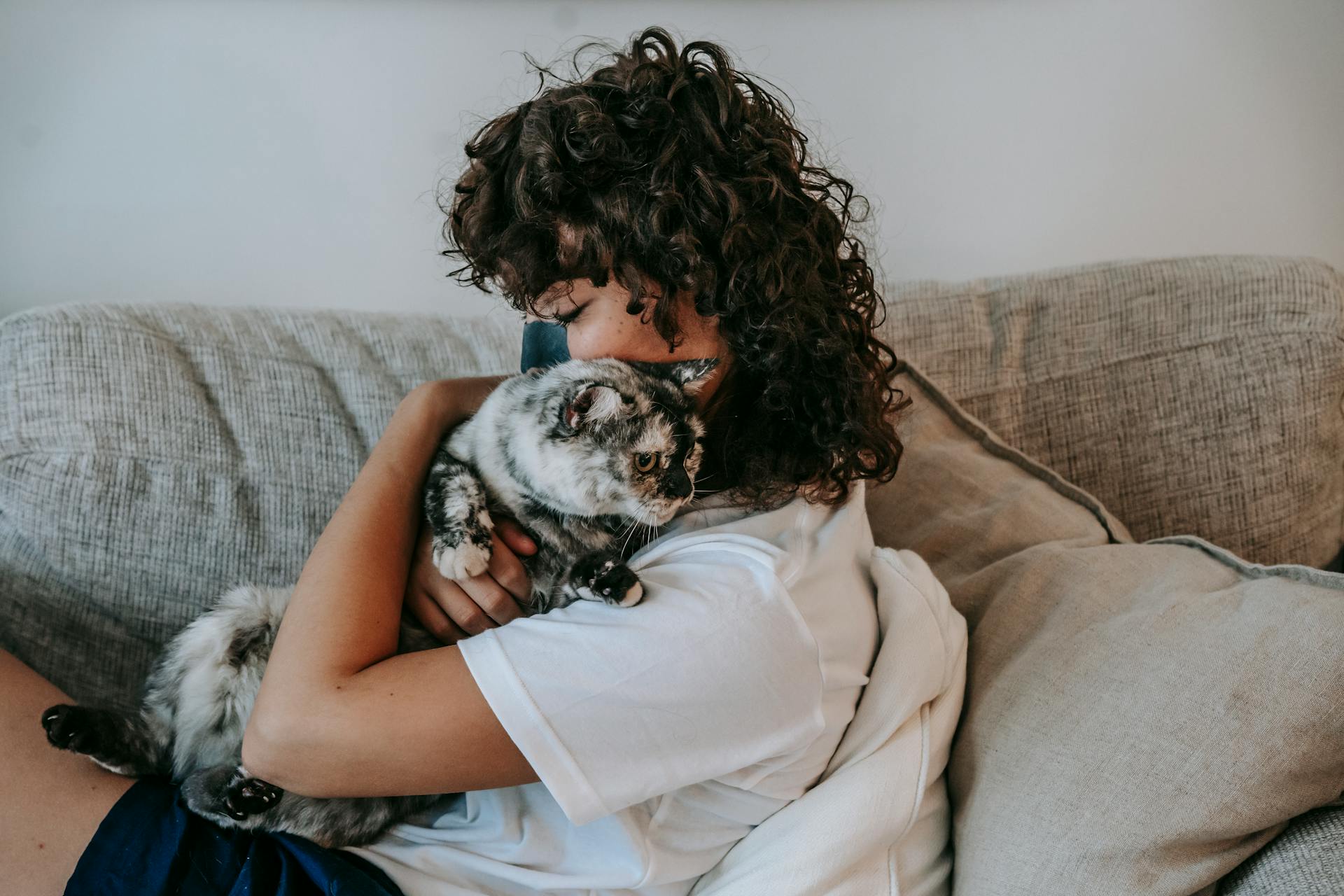
Essential Legal Steps to Take When Your Pet Passes Away. A Compassionate Legal Guide for Pet Owners by country: United States, United Kingdom, Spain, Italy, France, and the Netherlands.
Losing a pet is one of the most heartbreaking experiences any animal lover can face. Pets aren’t just animals — they’re companions, family members, and sources of comfort and joy. For guidance on preserving their memory through cremation or memorial urns, see Pulvis’ guide on pet memorial urns.
When they pass away, it’s natural to feel lost and overwhelmed, not only emotionally but also practically. Beyond the grief, there are important legal and administrative steps that responsible pet owners need to take — steps that differ from country to country. From notifying your vet and handling remains properly to updating microchip databases and insurance records, each country has its own laws to ensure the process is handled respectfully and lawfully. This comprehensive article will walk you through the key legal and practical actions required after the loss of a pet in six major countries — the United States, United Kingdom, Spain, Italy, France, and the Netherlands — helping you understand what to do, who to notify, and how to ensure your pet’s memory is honored in accordance with the law.

Universal Steps After a Pet’s Death
No matter where you live, there are a few essential things that must be done when a pet passes away. These steps not only protect public health and ensure compliance with regulations but also help you close this difficult chapter with care and dignity.
1. Confirm the Death with a Veterinarian
Even if your pet dies peacefully at home, you should contact a veterinarian. They can confirm the death and provide a certificate or written confirmation, which may be required for insurance or cremation purposes.
2. Decide on Cremation or Burial
This is often a deeply personal decision. Many owners choose cremation — either individual cremation (where ashes are returned) or communal cremation (where they are not).
In some places, home burial is permitted, provided it meets environmental and local regulations. Always check local rules before proceeding.
Many owners choose cremation — either individual cremation (where ashes are returned) or communal cremation (where they are not). For guidance on selecting the right urn for your pet, see this comprehensive guide.
In some places, home burial is permitted, provided it meets environmental and local regulations. Alternatively, many pet owners are choosing eco-friendly or biodegradable urns to honor their pets sustainably; learn more here: https://pulvisurns.com/blogs/news/top-trends-in-pet-urns-eco-friendly-and-biodegradable-options
3. Update Microchip Registrations
Most pets today are microchipped. You’ll need to contact the national or regional pet registry to report the death so records can be updated. This helps prevent errors, like future reminders or accidental re-registration.
4. Notify Insurance Companies
If your pet was insured, inform the insurer promptly. Some pet insurance policies offer partial reimbursement for euthanasia, cremation, or vet fees related to end-of-life care. “For a detailed look at how pet urns differ from human urns, see this article: https://www.pulvisurns.com/blogs/news/pet-urns-vs-human-urns-key-differences-explained
5. Cancel Local Registrations or Licenses
In many countries, dogs (and sometimes cats) are registered with local councils or municipal authorities. Remember to notify them of your pet’s passing to stop annual license or tax payments.
6. Keep All Documentation
Retain any paperwork — veterinary certificates, cremation receipts, and insurance correspondence. These may be needed for legal, administrative, or financial purposes later. For assistance in selecting an appropriately sized urn for your pet, see this size guide.
The sections below explain how these steps are handled in detail across six different countries.

United States of America
In the U.S., the process of handling a pet’s death varies by state and local ordinance, but several key principles apply across the country.
Veterinary Confirmation and Handling of Remains: If your pet dies at home, contact your veterinarian as soon as possible. They can confirm the death and guide you through your options for cremation or burial.
You generally have three choices:
-
Private cremation – where your pet is cremated individually and the ashes are returned to you.
-
Communal cremation – where ashes are not returned but handled respectfully.
-
Home burial, which is allowed in most rural or suburban areas, as long as the grave is several feet deep and located away from water sources.
If you live in a city or apartment, home burial might not be legal due to sanitation rules. Contact your local animal control or Department of Sanitation to confirm what’s allowed.
Microchip and Insurance Notifications: If your pet was microchipped, report the death to your registry — for example, HomeAgain, AKC Reunite, or PetLink.
Notify your pet insurance provider as well. They may require a veterinarian’s confirmation or death certificate before closing the policy.
Links: New York State Department of State: guidance on pet cremated remains and legal requirements. Official site: https://www.dos.ny.gov/pet-cremated-remains-frequently-asked-questions
Companion Animal Cremation Act — Illinois state law governing pet cremation providers. https://www.ilga.gov/legislation/ilcs/ilcs3.asp?ActID=2328

United Kingdom
In the UK, laws governing pet deaths aim to protect both public health and animal dignity, and they’re well-organized for pet owners.
Veterinary Certification and Disposal Options: When a pet dies, a veterinarian can verify the death and help arrange cremation or burial.
You can choose to:
-
Use a licensed pet crematorium, arranged directly or through your vet.
-
Bury your pet at home, as long as it’s on property you own, your pet didn’t die of a contagious disease, and the grave is at least three feet deep.
Cremation services are regulated under the Animal By-Products (Enforcement) Regulations 2013, ensuring ethical and environmentally sound practices.
Updating Records and Insurance: Microchipping is mandatory for both dogs and cats in the UK. You should notify your microchip database (such as Petlog, Animal Tracker, or Identibase) of your pet’s passing.
Also, contact your local council to cancel your dog’s registration or license, and inform your pet insurance provider to finalize any claims.
Link: “Animal burials: prevent groundwater pollution” — GOV.UK — an official government site. As well and: Pet cemeteries: where you can build them and how to register – GOV.UK

Spain
Spain has clear legal procedures surrounding the death of companion animals, managed through both national and regional laws.
Veterinary Confirmation and Documentation: A veterinarian should always confirm the death and can issue a Certificado de Defunción Animal (Animal Death Certificate). This may be necessary for cremation or registry updates.
Cremation and Burial: Pet cremation is widely available across Spain, with both private and communal options.
Home burial, however, is tightly regulated and often limited to rural properties. Contact your Ayuntamiento (local council) for regional rules and a list of authorized cremation facilities.
Registry and Insurance: Report the death to the relevant microchip registry, such as the national REIAC or regional databases like RAIAC in Catalonia.
If your pet was insured, send the necessary documents to your insurer to close the account and settle any outstanding claims.
Official national regulation on pet burial/cremation is largely handled regionally. Local Ayuntamiento (municipal) websites are the official source for rules. General portal for environmental regulations:
Link: https://www.miteco.gob.es/es/biodiversidad/temas/espacios-protegidos-y-especies/

Italy
Italy’s approach is defined by respect for both animal welfare and public health, with procedures managed through local health authorities (ASL).
Veterinary Confirmation and Reporting: When a pet dies, contact your veterinarian to confirm the death. Within 24 hours, you must notify the ASL (Azienda Sanitaria Locale), which records the death and authorizes proper handling of remains.
Cremation or Burial Options: Owners can arrange cremation through an approved facility or choose burial in a licensed pet cemetery. Home burial may be possible with municipal permission, but is generally discouraged for health reasons.
Updating the Pet Registry: All dogs in Italy — and many cats — are registered in the Anagrafe Canina Regionale (Regional Dog Registry). The registry must be updated to reflect the pet’s death, which can be done through your vet or local ASL office.
Link: Italian Ministry of Agriculture (Ministero delle Politiche Agricole Alimentari e Forestali) – official guidance on animal remains, including pets. https://www.masaf.gov.it/flex/cm/pages/ServeAttachment.php/L/IT/D/1%252Ff%252F1%252FD.53de9e53e4b826998883/P/BLOB%3AID%3D20991/E/pdf?mode=download

France
France has some of Europe’s most comprehensive animal welfare laws, and that includes clear rules for handling the death of a pet.
Veterinary Certification and Options: If your pet passes away, a veterinarian issues a certificat de décès (death certificate). You can then:
-
Have the body collected by a licensed crematorium (crématorium animalier).
-
Bury your pet at home, if you own the property, the pet weighs under 40 kg, and you follow local hygiene rules.
-
Use a pet cemetery (cimetière animalier), which are found across the country.
It is illegal to dispose of animal remains in household waste or public areas, under the Code Rural et de la Pêche Maritime.
Registry and Insurance Notifications: France’s national pet registry, I-CAD (Identification des Carnivores Domestiques), should be updated to mark the death. You can do this online or through your vet.
Also, contact your pet insurance company to close the policy and handle any remaining claims.
Link: Service‑Public.fr: official guidance on what to do when your pet dies. https://www.service-public.gouv.fr/particuliers/vosdroits/F33426?lang=en

The Netherlands
The Netherlands has a pragmatic and compassionate framework for handling pet deaths, with most procedures regulated by municipalities and notaries.
Veterinary Confirmation and Handling of Remains: After confirming the death, your dierenarts (veterinarian) can help you arrange for cremation or burial. Private and communal pet cremations are common and professionally managed. Burial is allowed on private land with municipal permission, or at an official dierenbegraafplaats (pet cemetery).
It is illegal to dispose of animal remains in household waste, public bins, or natural areas under Dutch environmental law.
Registry and Local Tax Notifications: If your pet was microchipped, update its status in the Nederlandse Databank Gezelschapsdieren (NDG) or PetBase. You should also notify your municipality to cancel any local dog tax (hondenbelasting).
Link: Business.gov.nl: official rules for pet crematoriums and cemeteries.https://business.gov.nl/regulation/crematorium-cemetery-permi t-requirements/

Shared Legal Principles Across Countries
Despite the differences in local laws, a few key principles remain the same worldwide:
-
Always have a veterinarian confirm and record the death.
-
Handle remains through approved cremation or burial services.
-
Update microchip databases and pet registries promptly.
-
Inform insurance providers and local councils to close accounts and cancel fees.
-
Keep documentation in case of administrative or insurance questions later.
Practical Checklist
Immediately (Day 0–2):
-
Contact your veterinarian for confirmation and guidance.
-
Arrange cremation, collection, or burial.
-
Obtain any necessary certificates or receipts.
Within One Week:
-
Notify microchip databases and pet registries.
-
Contact your insurance provider and local council.
-
Cancel licenses, tags, or local pet tax accounts.
Within One Month:
-
File or safely store all related documents.
-
Review any pending payments or refunds.
-
Consider memorial options or professional support if you’re grieving.
In conclusion, the loss of a pet leaves a lasting void — one filled with love, memories, and gratitude. While legal and administrative procedures may be the last thing on your mind, completing them properly ensures your companion’s life is honored respectfully and in accordance with the law.
Whether you live in the United States, United Kingdom, Spain, Italy, France, or the Netherlands, knowing what to do next can bring comfort and control during a difficult time.
If you’re ever unsure of the rules in your area, your veterinarian, local council, or animal welfare organization can guide you through the process — helping you take each step with dignity, care, and compassion.

Share:
The Art of Handmade Cremation Urns: What Sets Them Apart
Material Deep Dive: Ceramic, Bronze, Wood. Which Urn Material Wins?